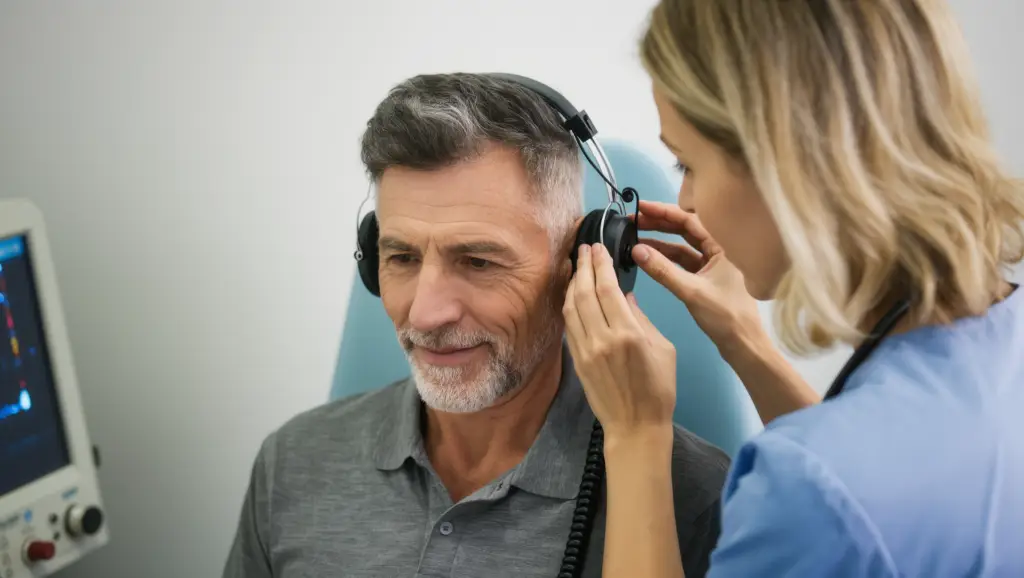
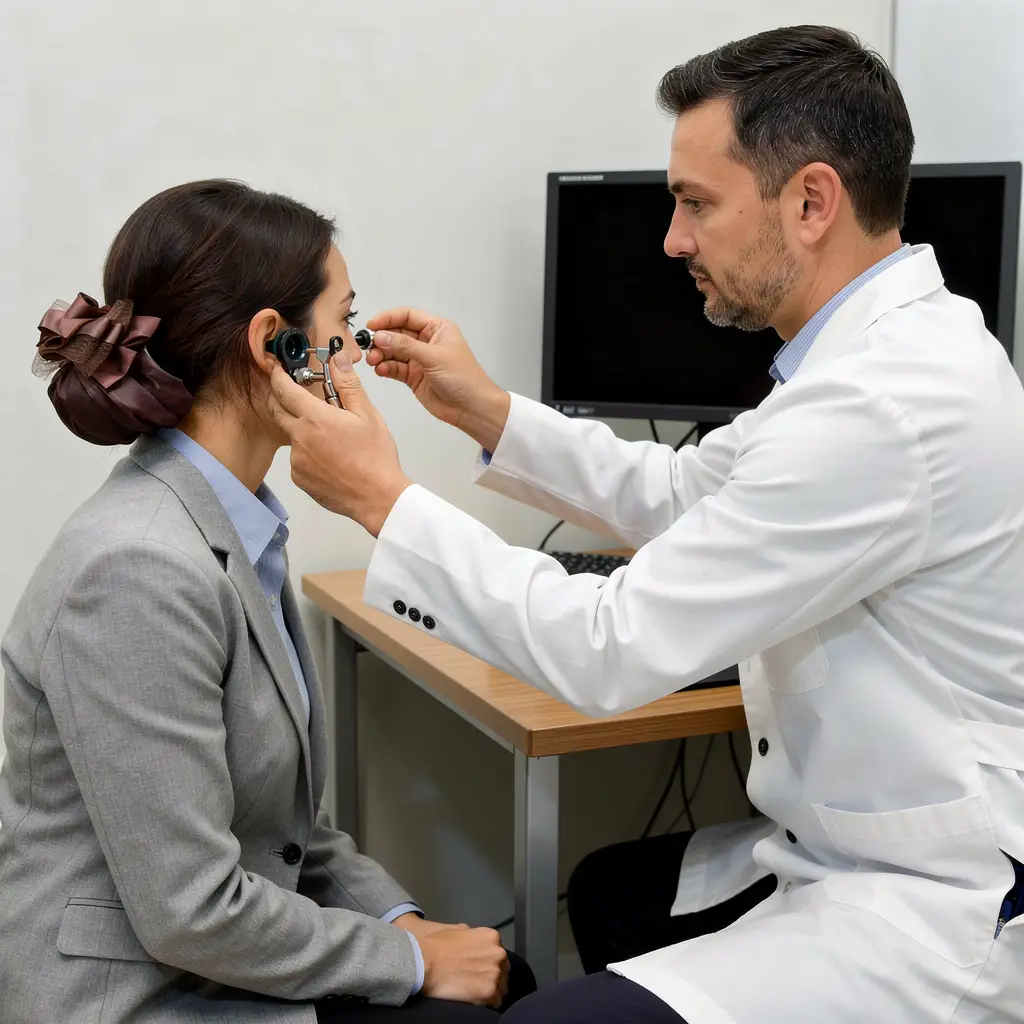
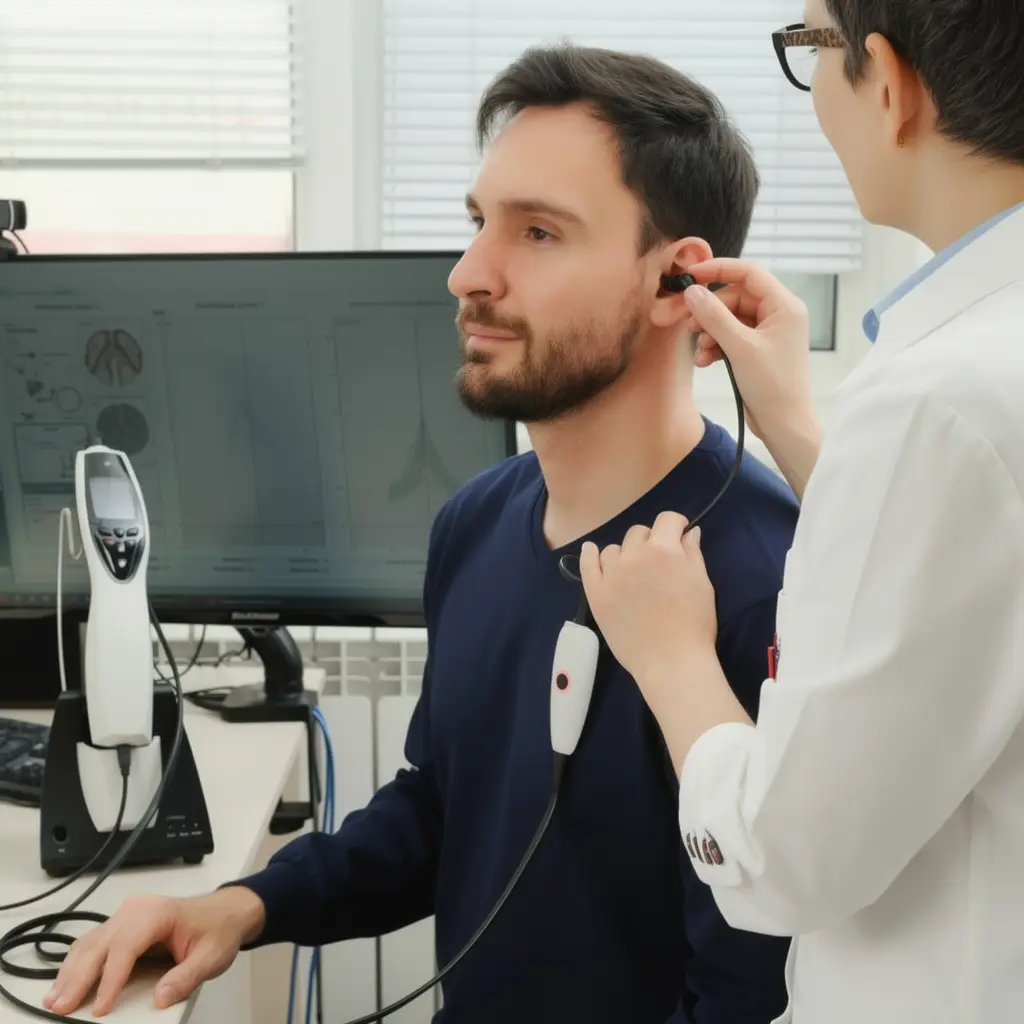
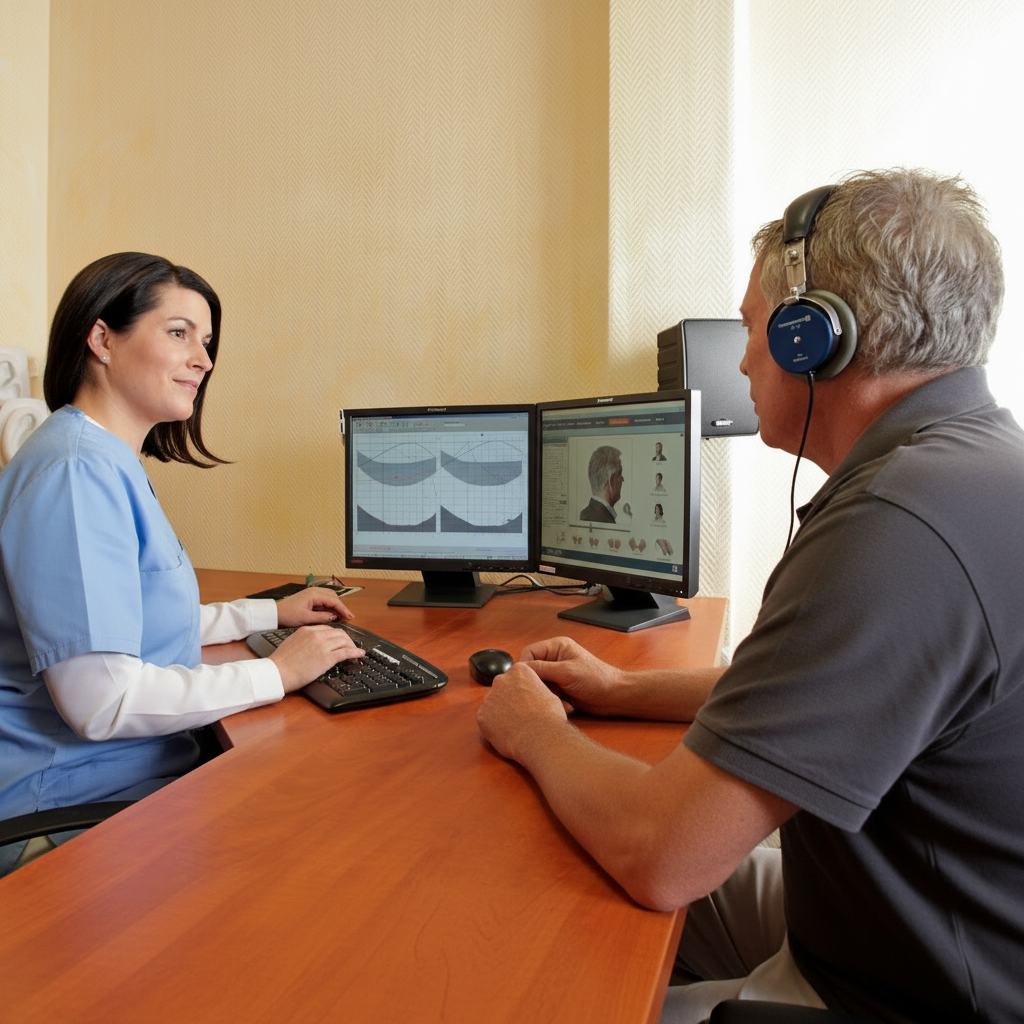
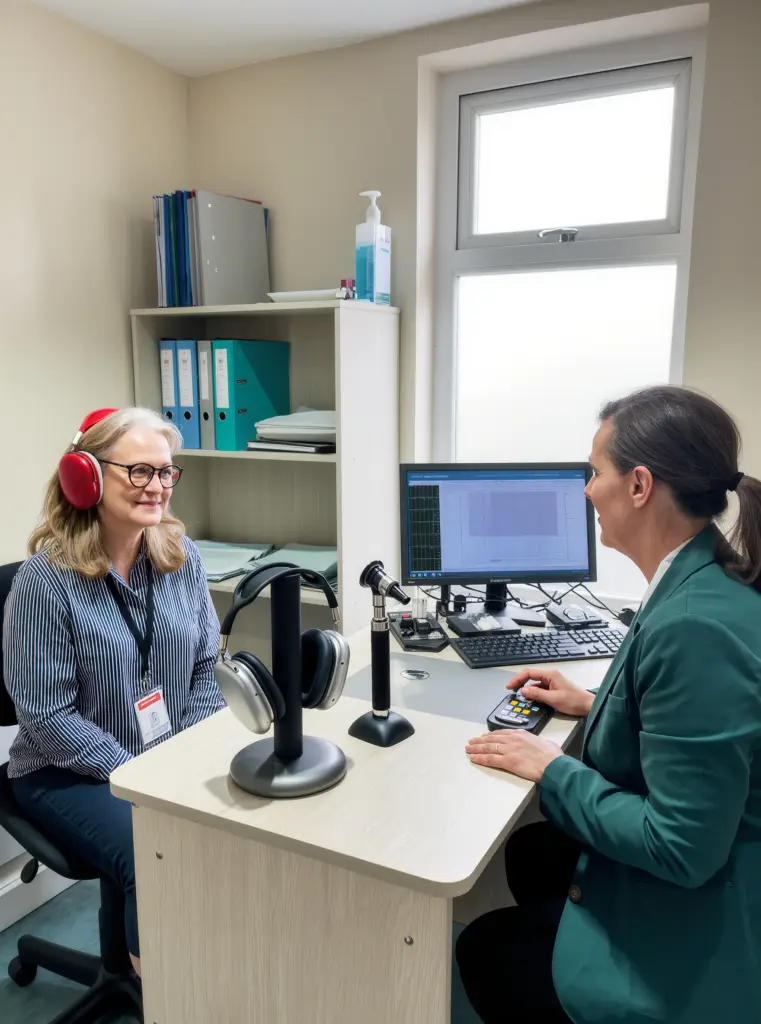
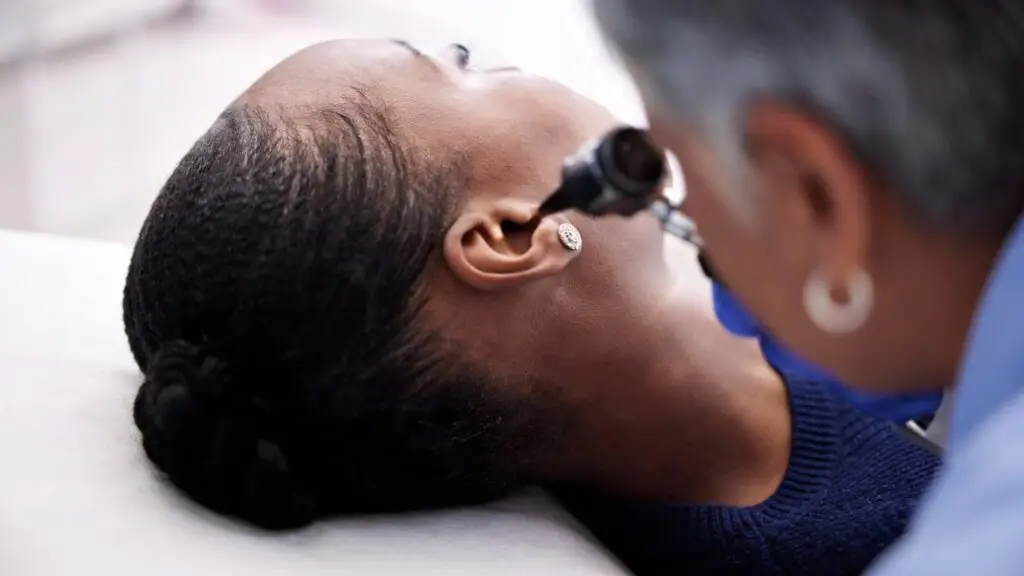
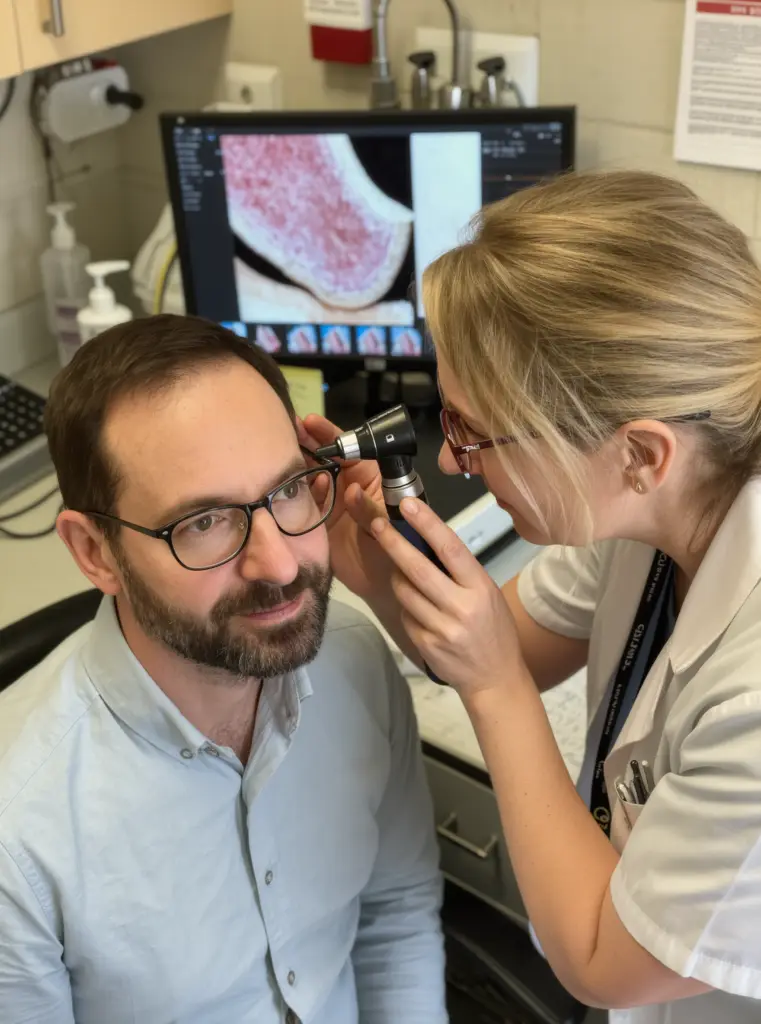
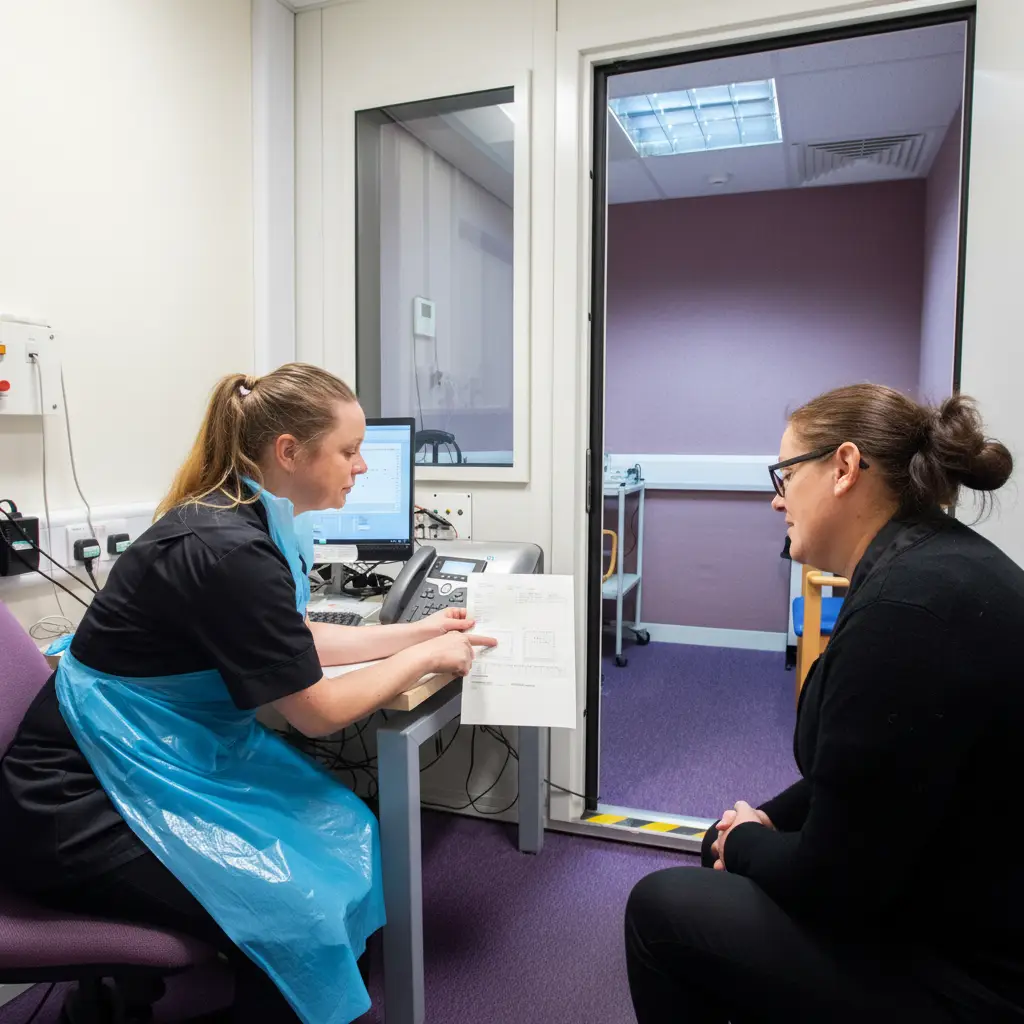
London’s Leading Audiovestibular Clinic – Where Sound Finds Clarity and Balance Finds You
At Harley Street Audiovestibular Clinic, we bring deep expertise to every case. Our team of leading specialists pair medical precision with inventive thinking to solve complex hearing and balance problems with confidence and care. Every visit moves you closer to clarity, comfort, and control.
Harley Street Audiovestibular Clinic exists to do more than treatment; we help you reclaim your life. Our consultants aim to restore balance, confidence, and quality of life. From hearing clarity to steadier steps, every solution is backed by science and delivered with genuine compassion, because your well-being is the centre of everything we do.
What makes us different is how we think. We combine the latest diagnostic technology with a personalised approach, ensuring no two treatment plans are the same. Our team of leading audiovestibular specialists works together to tackle the most complex hearing and balance challenges, setting a new standard for care in London.
Auditory neuropathy spectrum disorder affects how sound signals travel from the inner ear to the brain, so hearing can seem inconsistent, especially in noise.
Auditory processing disorder affects how the brain interprets sound, even when hearing tests appear normal. It is common in both children and adults and often manageable with the right support.
Autoimmune inner ear disease can cause fluctuating hearing loss, tinnitus, or imbalance as the immune system affects inner ear structures. For many people, symptoms respond well to early treatment.
Feeling dizzy with sudden spins when turning in bed or looking up? You’re not alone; this common inner ear issue affects millions and is rarely serious.
Hearing a constant sound in both ears can feel unsettling, but bilateral tinnitus is common and often linked to hearing changes, stress, or sound exposure rather than serious disease.
Chronic unsteadiness or oscillopsia in dim light? Bilateral vestibular failure is a recognised condition often linked to ageing or medications, manageable for most, not typically ominous.
Sudden hearing loss, dizziness, or tinnitus with fatigue? Blood disorder symptoms affecting the inner ear are common and usually treatable, and they are not typically a sign of something serious. At Harley AVM, we address them effectively.
Many people experience listening difficulties even when hearing tests appear normal. Problems with sound processing, focus, or understanding speech in noise are common and often manageable.
Headaches, dizziness, or balance issues with neck pain? Chiari malformation symptoms are common and often manageable, not usually a sign of something acutely serious.
Conductive hearing loss is frequently caused by changes in the outer or middle ear, such as fluid build-up, infection, or blockage, and is often reversible.
Ear pain is a common experience and often comes from infections, pressure changes, or jaw and muscle strain rather than serious disease. Most episodes settle quickly with simple care.
Progressive hearing loss or balance issues in children or adults? An enlarged vestibular aqueduct is a common congenital inner ear anomaly that is long-term manageable and usually not a sign of acute danger.
Episodes of vertigo, ataxia, or imbalance lasting minutes to hours? Episodic ataxia type 2 is a manageable genetic condition affecting coordination, which is not typically dangerous.
Genetic hearing loss often runs in families and may appear at birth or later in life, progressing slowly over time. Many people live full, active lives with care.
Glue ear commonly affects children and adults when fluid collects behind the eardrum, causing muffled hearing or pressure. It settles with time and treatment.
Facial rash with ear pain, hearing changes, or vertigo? Herpes zoster (Ramsay Hunt Syndrome) reactivation is common, especially post-50, and usually treatable, not a serious long-term threat.
Hyperacusis makes everyday sounds feel uncomfortably loud or overwhelming, often without causing ear damage. Many people improve with the right guidance and care.
Itchy ears are very common and often relate to dry skin, mild irritation, allergies, or wax changes rather than serious disease. Symptoms usually settle with simple care.
Sudden vertigo with hearing changes after infection? Labyrinthitis is a common inner ear inflammation that improves for most and is not typically serious.
Dizziness, hearing changes, or tinnitus after starting medication? Ototoxicity side effects are common, usually reversible with prompt management, and are not typically a sign of a serious condition. At Harley AVM, we resolve them effectively.
Struggling with sudden vertigo, hearing fluctuations, or ear fullness? This inner ear disorder affects thousands and is manageable with proper care, not a sign of something dire.
Sudden clicking, fluttering, or tapping sounds in the ear can feel alarming, but middle ear myoclonus is often related to benign muscle spasms rather than serious disease.
Misophonia causes strong emotional and physical reactions to specific everyday sounds, such as chewing or breathing. Many people experience this sensitivity, and it does not indicate ear damage.
Dizziness, balance issues, or hearing changes? These vestibular symptoms are common in MS and often manageable, not usually a sign of something acutely serious.
Ototoxicity refers to hearing or balance changes linked to certain medications and treatments. Many effects are mild, temporary, or monitored safely during care.
Sudden dizziness or hearing shift after trauma or pressure changes? Perilymph fistula is a treatable inner ear fluid leak, not uncommon post-injury and rarely life-threatening.
Dizziness, vertigo, or balance problems after concussion? These symptoms are common and usually resolve with targeted rehab, not a sign of something serious.
Persistent dizziness without spinning? PPPD is a common vestibular disorder triggered by prior events, manageable with targeted therapy, and not a sign of serious illness.
Hearing a rhythmic sound that matches your heartbeat can feel alarming, but pulsatile tinnitus is often linked to benign blood-flow changes or middle-ear factors rather than serious illness.
Sensorineural hearing loss is common and often develops gradually due to inner ear or auditory nerve changes linked to ageing, noise exposure, or illness, and it is usually not dangerous.
Unsteady gait, coordination issues, or dizziness? Spinocerebellar ataxia symptoms are common in genetic forms and progressive but manageable, not typically a sign of acute danger.
Sudden dizziness, hearing loss, or imbalance after a stroke? These vestibular symptoms are common in recovery and often improve with targeted rehab, not typically a sign of new serious issues.
Hearing your heartbeat or footsteps loudly? This thinning of the inner ear structure is uncommon but treatable, and it typically does not signal grave illness.
Tightening, fluttering, or rumbling sensations in the ear can feel distressing, but tensor tympani syndrome often reflects an overactive protective muscle rather than a serious disease.
Sudden dizziness, hearing loss, or imbalance? Transient ischaemic attacks (TIAs) are common, especially over 50, and often resolve quickly, not usually a lasting threat.
Hearing a sound in one ear can feel worrying, but unilateral tinnitus is often linked to local ear changes, hearing variation, or temporary irritation rather than serious disease.
Dizzy spells with or without headaches? Vestibular migraine affects many and is highly manageable, not a harbinger of serious disease. At Harley AVM, our team delivers targeted control.
Sudden, severe vertigo after a viral illness? Vestibular neuritis is a common inner ear inflammation that resolves for most, not a sign of something grave.
Brief dizzy bursts or unsteadiness? Vestibular paroxysmia is a treatable nerve irritation disorder, not uncommon and rarely serious. At Harley AVM, our team provides effective control.
Unilateral hearing loss, tinnitus, or balance issues? Vestibular schwannoma (acoustic neuroma) symptoms are common and usually slow-growing, and are not typically a sign of something acutely serious.
Discover how our expert care has transformed the lives of individuals struggling with hearing and balance issues. These testimonials reflect our unwavering commitment to clinical excellence and patient satisfaction.
Posted on Google
clive drake
Trustindex verifies that the original source of the review is Google.
I have had my unbalance / vestibular medical problems for many years and almost given up on finding a knowledgeable Doctor and a clinic with the capabilities to help me understand the complex problem and work towards finding solutions. The Dr here and the facilities are exceptional, which I cannot praise enough. Very happy to found this place and cannot recommend high enough.
Posted on Google
Soydan Osman
Trustindex verifies that the original source of the review is Google.
I was seen by audiologist and Dr Arun, they were attentive, caring and took time to listen and adaptations were made throughout the appointment to support my anxiety and claustrophobia. This made a significant difference and genuinely helped me through the audiology testing. I gave an explanation of my current symptoms to Dr Arun he displayed great listening, compassion and understanding. The treatment I received on the day has greatly improved my symptoms, the one reassuring thing is any follow up is required is knowing that I will be in safe hands. I received my clinic letter promptly. After care queries handled by the admin team was exceptional, prompt and helpful. Overall the service was impeccable.
Posted on Google
Diana Granados
Trustindex verifies that the original source of the review is Google.
I had an outstanding experience with Harley Street Vestibular Clinic and cannot recommend them highly enough.
I developed severe vertigo while visiting London, and it was an incredibly frightening experience as it was my first time ever experiencing dizziness like that. I called the clinic on a Saturday, fully expecting to leave a voicemail since they were closed. To my surprise, the office manager, Preeti, returned my call that same day. I was so grateful. She was kind, reassuring, and went above and beyond to arrange an appointment for me first thing on Monday.
From the moment I arrived, the entire team was professional, efficient, and compassionate. They understood how urgent and distressing my symptoms were and made every effort to see me as quickly as possible. The vestibular audiologist was exceptional—she took the time to thoroughly evaluate me, clearly explain everything she was doing, answer every one of my questions, and perform the appropriate treatment. I never felt rushed, and her expertise immediately gave me confidence that I was in the right hands.
The clinic was incredibly responsive, organized, and genuinely caring throughout the entire process. They turned what was a very scary situation into one where I felt supported and well cared for.
I am truly thankful to Preeti and the entire team for their kindness, professionalism, and outstanding care. If you are experiencing vertigo, dizziness, or balance problems, I would not hesitate to recommend Harley Street Vestibular Clinic.
Posted on Google
erika thomazi
Trustindex verifies that the original source of the review is Google.
Great positive experience!
Posted on Google
Carol Bunyan
Trustindex verifies that the original source of the review is Google.
I could not fault my follow up appointment with Dr Aran and his team. He really does take the time to listen to your questions and really puts himself out to set you on the road to recovery . He genuinely seems interested in getting you better.
I would highly recommend this practice.
Posted on Google
Ged Robinson
Trustindex verifies that the original source of the review is Google.
Dr Benjamin Shaw was extremely thorough in his assessment of my recent attacks of vertigo. I have total confidence in his ability, once I have completed the further tests he has arranged at the Wimbledon clinic, to diagnose what is causing this issue with my health.
Posted on Google
Adrian Lowe
Trustindex verifies that the original source of the review is Google.
I thoroughly recommend the Harley Street Audio Vestibular Clinic. I had an appointment with Dr Rudy Palaniappan who listened carefully to me, conducted a brilliant examination and explained everything to me with a future plan very clearly. I was really impressed!
Posted on Google
Evan
Trustindex verifies that the original source of the review is Google.
Dr Arun provided an excellent virtual consultation, took the time to understand symptoms and history and provided an initial diagnosis and treatment plan. It did not feel rushed or with any bias. Received comprehensive notes and summary promptly after the appointment. Would fully recommend.
Posted on Google
shahram zarafshan
Trustindex verifies that the original source of the review is Google.
Dr. Arun Pajaniappane is a brilliant and expert doctor. He was also incredibly friendly, making for a truly excellent experience.
Accredited by Leading Medical Association
OUR INDUSTRY ASSOCIATIONS
Aligned with Leading Medical Associations
At Harley Street Audiovestibular Clinic, we believe trust begins with accountability. That’s why we proudly hold accreditations and memberships with leading medical organisations that set the benchmark for clinical excellence. Our regulated status with the Care Quality Commission ensures every aspect of our service meets the highest standards of safety, quality, and transparency. These affiliations aren’t just formalities; they reflect our unwavering commitment to patient-centred care, continuous improvement, and evidence-based practice. When you choose us, you choose a clinic that is recognised, trusted, and dedicated to delivering the very best outcomes in audiovestibular health.
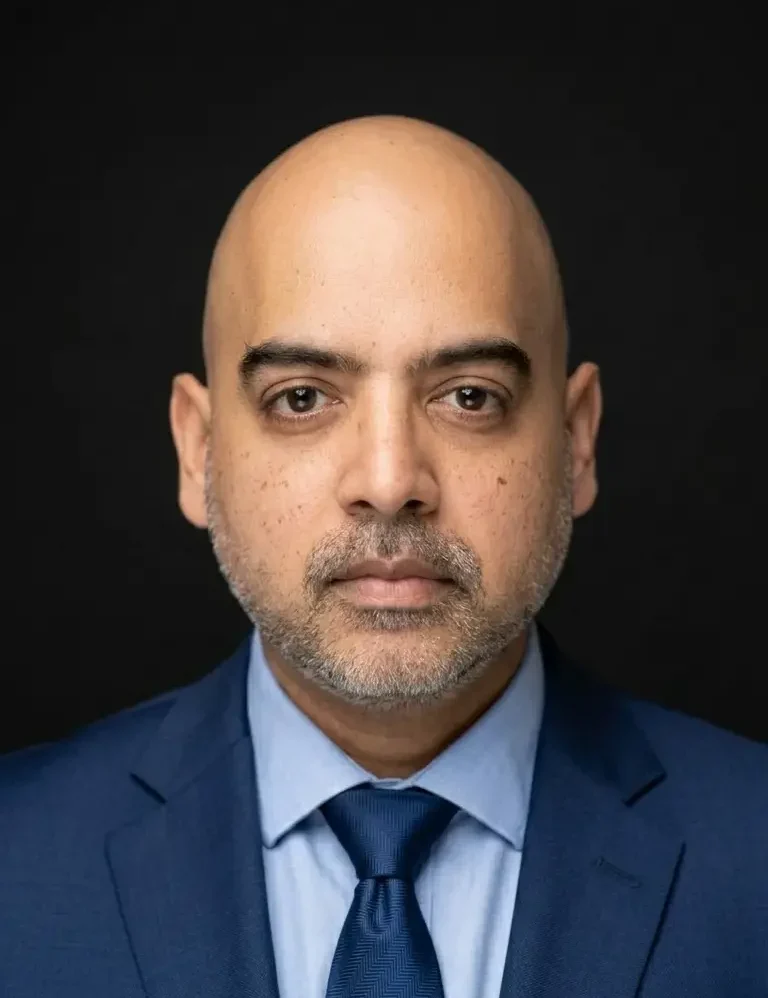
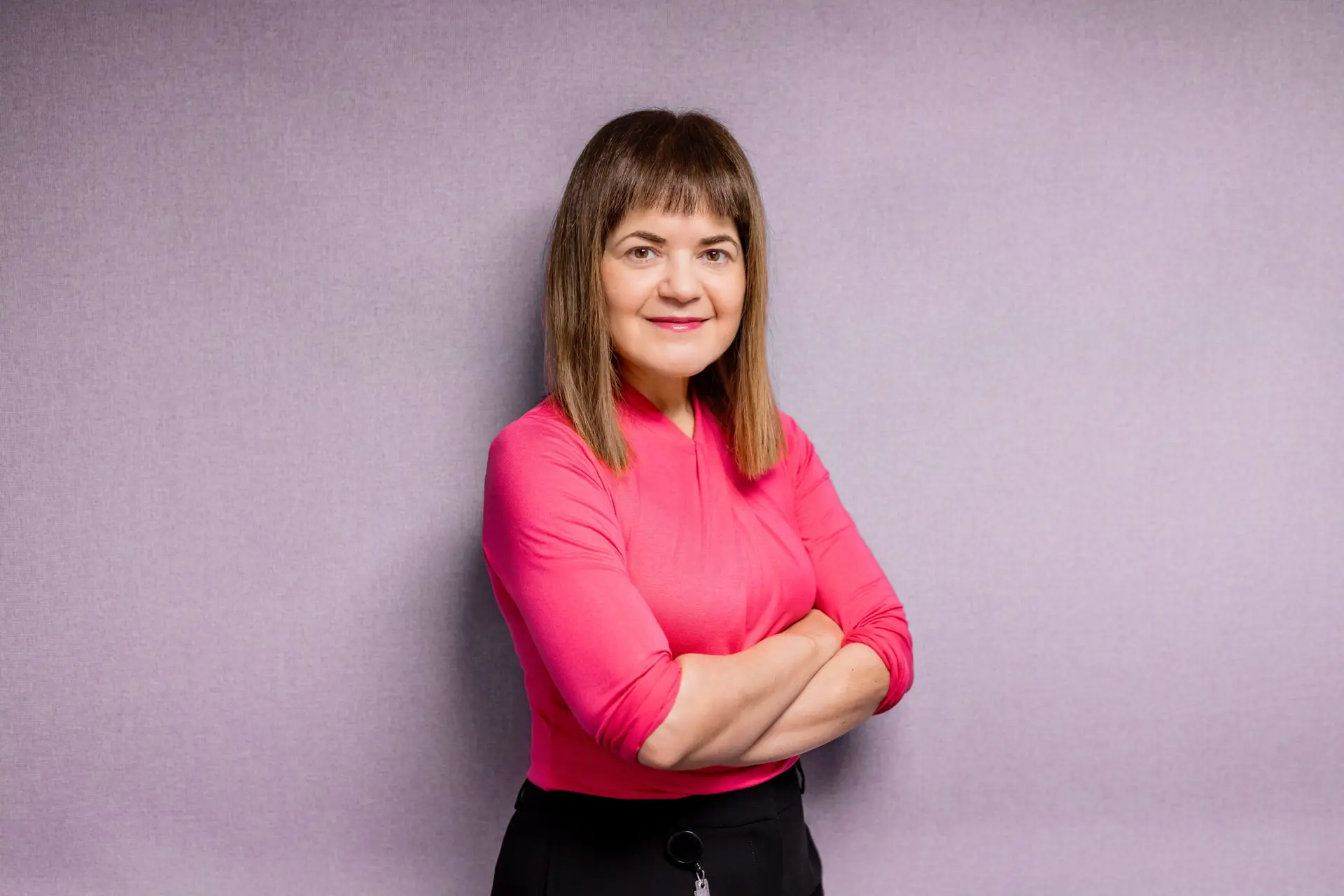
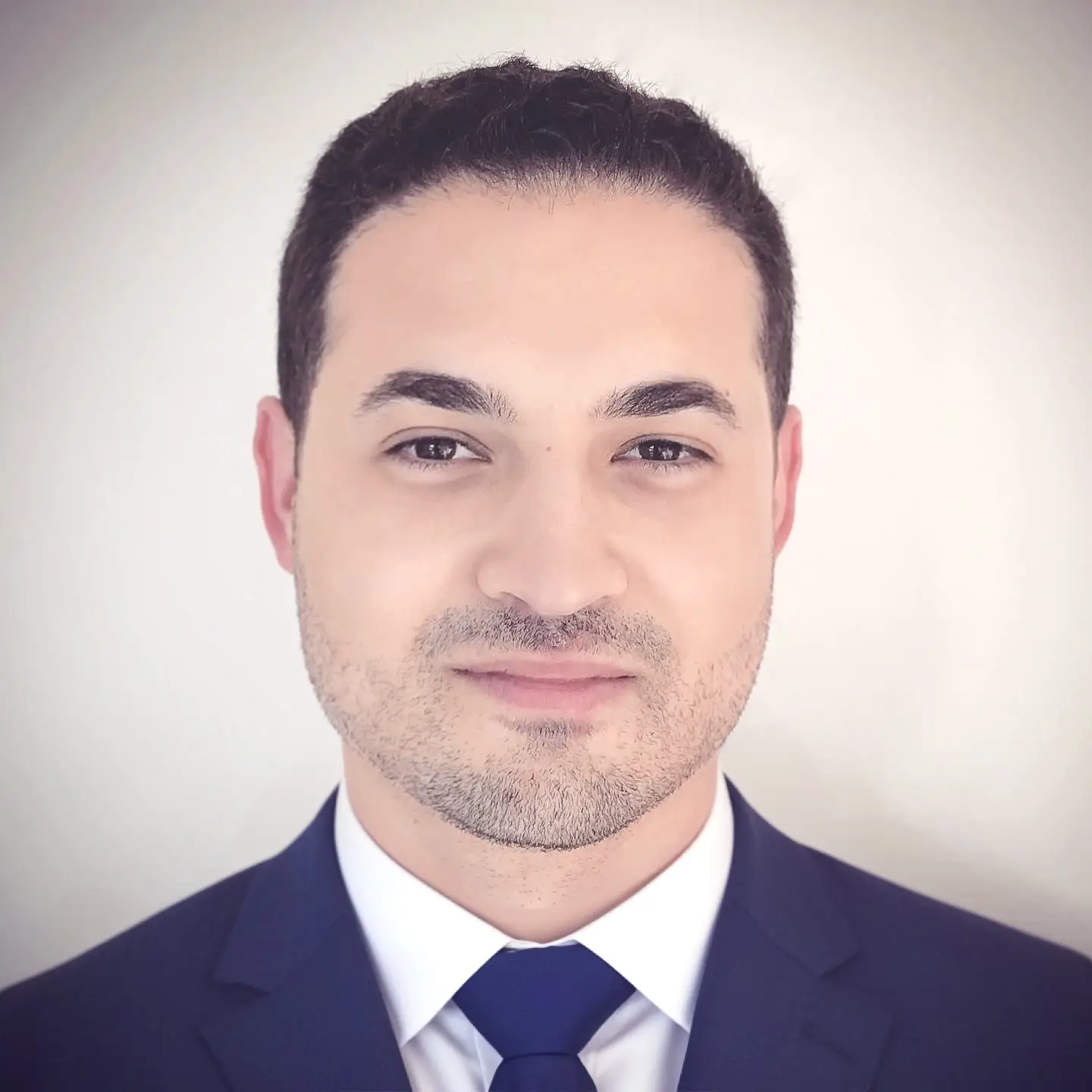
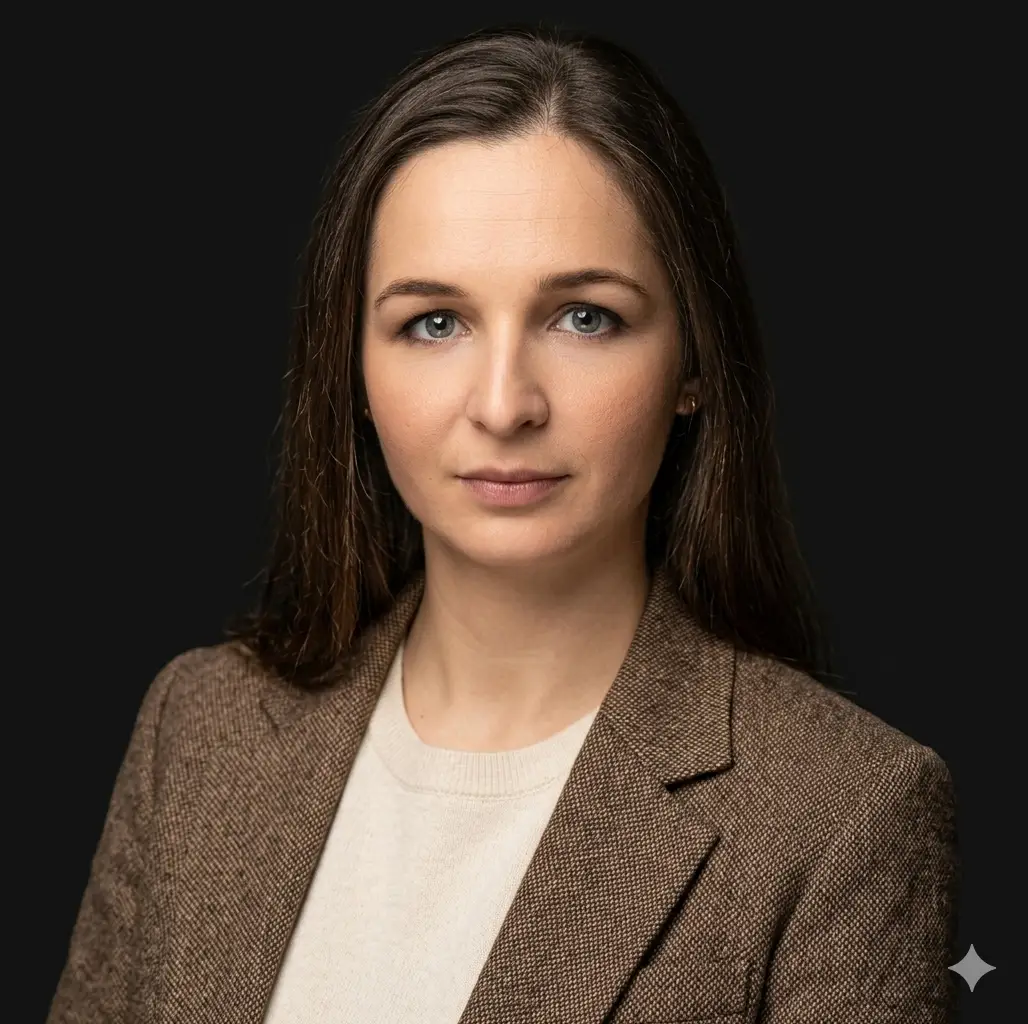
Guided by experience and driven by care, our specialists set the benchmark for audiovestibular treatment and patient trust. At Harley AVM, we work alongside some of the leading specialists in the audiovestibular field, combining expertise with compassion to deliver the best patient experience.
Got questions? We’ve answered the most common ones below. If you have any further queries, our team at Harley Street Audiovestibular Clinic is here and happy to help.
Audiovestibular Medicine is a physician-led speciality dedicated to diagnosing and managing disorders of hearing and the inner-ear balance system. It focuses on non-surgical, evidence-based care for conditions like chronic dizziness, vertigo, ringing in the ears, sound sensitivity, and complex hearing disorders. AVM specialists understand how audio and vestibular systems connect with neurology, ageing, and daily functioning, offering patients accurate diagnosis, long-term management, and improved quality of life through tailored treatment plans.
What Audiovestibular Services Does Your Clinic Offer?
Our clinic provides comprehensive medical diagnostics and personalised management for hearing and balance disorders. Core services include advanced hearing assessments, inner-ear balance evaluations, tinnitus profiling, dizziness diagnostics, guidance on vestibular physiotherapy, and long-term rehabilitation strategies. We assess both peripheral and central vestibular influences and manage complex cases requiring integrated care. Patients receive structured follow-up support, lifestyle-aligned therapy pathways, and precise clinical insight led by expert specialists practising at Harley St Medical Area.
What Makes The Audiovestibular Services at “Harley AVM” Unique?
Our clinic stands apart through medically led, integrated AVM expertise, assessing hearing and balance as connected systems rather than isolated symptoms. We combine advanced diagnostics, root-cause investigation, personalised management, and rehabilitation-driven care for chronic or complex inner-ear and neuro-vestibular conditions. Patients receive tailored therapy pathways, clinical precision, multidisciplinary guidance, structured follow-ups, and human-first care planning. Our approach redefines patient outcomes by merging medical insight with long-term, quality-of-life-focused support.
Who Can Benefit From Audiovestibular Services at Your Clinic?
Patients who experience persistent ringing in the ears, sound sensitivity, progressive or complex hearing loss, recurring vertigo, imbalance, or unexplained chronic dizziness benefit most. We support individuals requiring non-surgical diagnosis, inner-ear clinical insight, rehabilitation guidance, or long-term symptom management. Complex cases overlapping auditory and vestibular dysfunction, migraine-linked dizziness, or neuro-otological influences are carefully assessed. Our specialists design customised care plans and therapy pathways to restore clarity, comfort, and stability for everyday life.
An Audiovestibular Physician (AVP) is a medical doctor who specialises in Audiovestibular Medicine.
Are You an ENT Clinic?
We are not a surgical ENT clinic. Our clinic is dedicated exclusively to Audiovestibular Medicine, focusing on medically rigorous, non-surgical diagnosis and management of hearing- and inner-ear-related balance disorders. Our core work remains advanced clinical diagnostics, chronic condition management, vestibular therapy pathways, hearing rehabilitation, and holistic patient support. Our team blends auditory and vestibular medical expertise to deliver precise, specialist-first care.
Why is Early Diagnosis of Hearing and Balance Disorders Important?
Hearing and balance disorders can worsen subtly, affecting safety, confidence, communication, work, mobility, and emotional well-being. Early AVM diagnosis identifies underlying inner-ear or neuro-vestibular causes, preventing misdiagnosis and long-term decline. Patients receive timely medical management, therapy guidance, and rehabilitation planning, reducing complications like falls, anxiety, or worsening auditory strain. Early detection leads to better stability, stronger treatment outcomes, improved daily functioning, and long-term quality-of-life benefits guided by expert clinic protocols.
Trusted Experts in Hearing & Balance
Helping You Overcome Dizziness, Tinnitus, and Hearing Loss
Take the first step towards better hearing and balance! Schedule your consultation today and experience expert care that truly makes a difference.